LOOP QB3TFEE060 Closed Electro Pneumatic Proportion Air Control
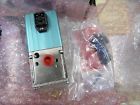
( Brand: Loop ), ( Part Type: Pneumatic Control )
Review LOOP Closed Electro pneumatic Proportion air Control
The QB3TFEE060 closed loop electro-pneumatic proportion-air control valve is an advanced and versatile device designed for precise control of air flow in various industrial applications. This valve utilizes a feedback system to continuously monitor and adjust its output, ensuring a high degree of accuracy and stability.
The valve's closed loop design allows for real-time feedback and correction, making it ideal for applications where precise control of pressure or flow is critical. The electro-pneumatic actuation provides a fast and reliable response, allowing for quick adjustments to meet changing demand.
The QB3TFEE060 is equipped with a 3/2-way, normally closed solenoid valve, which allows for both on/off and modulating control of the air flow. The valve body is made of stainless steel, providing excellent corrosion resistance, and the diaphragm seal is made of PTFE, ensuring a long service life even in harsh environments.
The valve is also equipped with a built-in positioner, which can be programmed to provide a wide range of control functions, including proportional, integral, and derivative (PID) control. This allows for fine-tuning of the valve's output, ensuring optimal performance in even the most demanding applications.
Overall, the QB3TFEE060 closed loop electro-pneumatic proportion-air control valve is a high-performance, versatile, and reliable solution for precise control of air flow in industrial applications. Its advanced feedback system, fast response, and programmable positioner make it an ideal choice for applications requiring precise pressure or flow control.
Pros of buying QB3TFEE060 Closed Loop Electro-Pneumatic Proportion-Air Control:1. Precision and Accuracy: The closed loop system ensures that the pressure is maintained at a constant level, reducing fluctuations and providing accurate control over the process.
2. Energy Efficiency: The electro-pneumatic control system is more energy-efficient than mechanical systems, as it only uses the necessary amount of air pressure to control the process.
3. Reduced Waste: The closed loop system reduces waste by ensuring that the air pressure is used efficiently, reducing the amount of air that is wasted.
4. Easy to Install and Maintain: The QB3TFEE060 is easy to install and maintain, as it requires minimal setup and has fewer moving parts than mechanical systems.
5. Versatile: The QB3TFEE060 can be used in a variety of industrial applications, making it a versatile option for manufacturers.
Cons of buying QB3TFEE060 Closed Loop Electro-Pneumatic Proportion-Air Control:1. Initial Cost: The QB3TFEE060 can be more expensive than mechanical systems, which can be a significant initial investment for some manufacturers.
2. Complexity: The electro-pneumatic control system can be more complex to understand and operate than mechanical systems, which may require additional training for operators.
3. Vulnerability to Electrical Failures: The electro-pneumatic control system relies on electrical components, which can be vulnerable to power outages or electrical failures.
4. Limited to Pneumatic Applications: The QB3TFEE060 is limited to pneumatic applications and may not be suitable for other types of industrial processes.
Conclusion:The QB3TFEE060 Closed Loop Electro-Pneumatic Proportion-Air Control offers numerous benefits, including precision, energy efficiency, reduced waste, ease of installation, and versatility. However, it also has some drawbacks, such as a higher initial cost, complexity, vulnerability to electrical failures, and limited application scope. Ultimately, the decision to purchase the QB3TFEE060 should be based on the specific needs and requirements of the manufacturer, as well as the cost-benefit analysis of the system.
Recommendation:If the manufacturer requires precise control over a pneumatic process and is willing to invest in the initial cost of the system, the QB3TFEE060 Closed Loop Electro-Pneumatic Proportion-Air Control is an excellent option. However, if the manufacturer has a limited budget or requires a more straightforward system, a mechanical control system may be a more suitable option. It is essential to carefully consider the specific requirements and constraints of the manufacturer before making a decision.
part #: qb3tfee060 prices
- $89.99-$599.99
Payments:
- PayPal
General:
- in stock: Yes
- Business & Industrial > Light Equipment & Tools > Air Compressor Parts & Accs > Pressure Switches & Valves
- condition: New other see details
Offer:
- Started: April 13, 2015, 9:18 pm
- # Sold: 0
- # bids: 0
- quantity: 1
- best offer: true
Shipping:
- handling: 1 days
- type: Calculated
Ratings:
- Shipped right away; item was as described. A+ trnasaction. 04-12-15
- Super fast shipping, packaged well, Thank you! 04-11-15
- ? ? ? ? ? ? ? ? ? ? . Excellent Thank You!!!. > ? ? ? ? ? ? ? ? ? 04-11-15
- thanks great edition to my collection and fast shipping 04-11-15
- Super!! As descr/better!! Super fast/safemailing!! Super deal!! 04-11-15
Returns:
- policy: returns accepted
- type: Money Back
- time: 14 Days
- paid by: Buyer
Seller:
- zipcode: 48464
- city: Otter Lake, Michigan
Loop QB3TFEE060 Is Similar To:
- Electro-pneumatic Qb3bfee150 Proportion-air Closed Loop Control (49.2% similar) ...(April 3rd, 2015)